
Operations & Safety
How PrimeFuel structures its logistics, manages risk, and maintains safety across all fuel distribution activities.
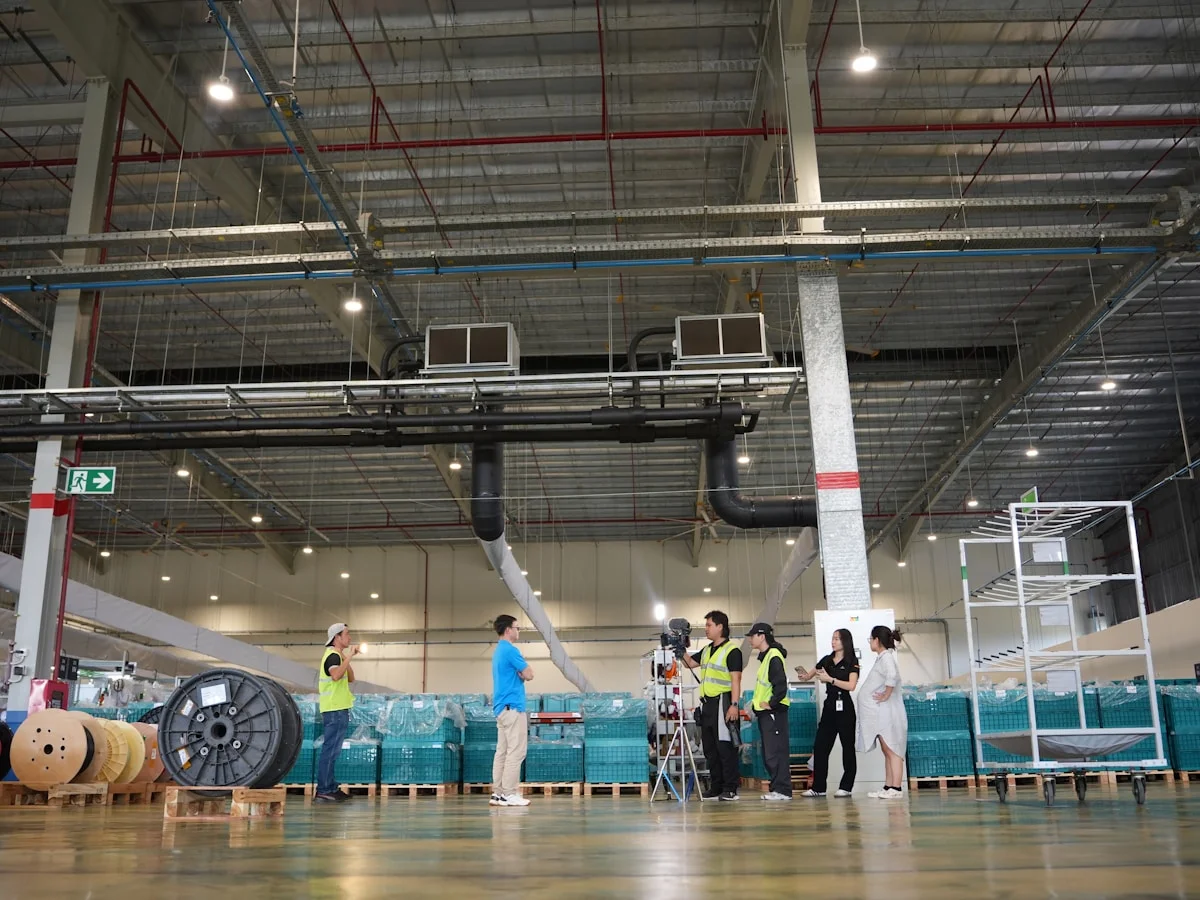
Structured for Reliability. Built Around Safety.
PrimeFuel's operational model is designed around two non-negotiable principles: safety and reliability. Every process, every delivery, and every supply arrangement is structured with these principles at its core.
We operate in an industry where the consequences of getting things wrong are significant — for people, for the environment, and for the businesses that depend on us. That is why we take our operational responsibilities seriously.
How We Manage Every Delivery
A structured, documented process from order to delivery.
Order Receipt & Confirmation
Orders are received, confirmed, and logged. Delivery requirements are verified against the supply agreement and client specifications.
Logistics Planning
Delivery routes are planned to optimise efficiency and ensure compliance with ADR transport requirements. Vehicle and driver suitability is confirmed.
Pre-Delivery Checks
Vehicle, equipment, and documentation checks are completed before departure. All ADR requirements are verified.
Transport & Delivery
Fuel is transported in accordance with ADR regulations. Delivery is completed to the specified location with appropriate safety procedures.
Documentation & Sign-Off
Delivery documentation is completed and provided to the client. Records are maintained for traceability and compliance purposes.
Post-Delivery Review
Any issues or observations from the delivery are recorded and reviewed as part of our continuous improvement process.
The Standards We Operate To
Our safety practices are aligned with recognised UK and international frameworks.
ADR Regulations
The European Agreement concerning the International Carriage of Dangerous Goods by Road (ADR) governs how we transport fuel. All vehicles, drivers, and documentation meet ADR requirements.
HSE Guidelines
Our operational practices reference Health and Safety Executive guidance for petroleum handling, storage, and transport. Worker safety is managed in accordance with these guidelines.
ISO 45001 Principles
Occupational health and safety management is structured with reference to ISO 45001 principles, covering risk assessment, incident management, and continuous improvement.
ISO 9001 Principles
Quality management practices are aligned with ISO 9001 principles to ensure consistent operational standards across all supply and logistics activities.
ISO 22301 Principles
Business continuity planning is informed by ISO 22301 principles, ensuring supply disruption scenarios are anticipated and managed appropriately.
UK Petroleum Guidance
Operations are conducted with reference to relevant UK petroleum handling guidance and legislative requirements applicable to fuel distribution activities.
Managing Risk Across the Supply Chain
Proactive risk management protects our clients, our people, and the environment.
Hazard Identification
Formal processes for identifying operational hazards before they become incidents, with documented risk assessments for all key activities.
Risk Assessment
Structured risk assessment processes evaluate likelihood and impact, with appropriate controls implemented to manage identified risks.
Incident Management
Defined processes for managing incidents, near-misses, and safety concerns, with appropriate investigation and corrective action.
Emergency Procedures
Documented emergency procedures for foreseeable scenarios, with appropriate training and equipment in place.
Supplier Risk
Supplier performance and risk is monitored as part of our supply chain management approach, with contingency arrangements maintained.
Regulatory Monitoring
Ongoing monitoring of relevant regulatory and guidance changes ensures our operations remain appropriately aligned.